Back

7 minutes
Baker tips
How to Create More Ways to Sell From Your Fall Bakery Menu
Fall gives microbakers the flavors customers wait all year for. Here's how to build a seasonal menu around affordable flavor and a few versatile base doughs, so you get more to sell without adding more work to your bake day.
Alisha Fuller


Every year toward the end of summer, I love that feeling of fall coming before it's really here. The mornings get a little crisper, the sun starts going down earlier and after a summer spent outside, we start turning back toward home. Suddenly I want soup simmering all afternoon and bread in the oven. Pumpkin, apples, maple, sage, cinnamon and toasted pecans. Those familiar smells and flavors can bring back an entire season. Thanksgiving. Apple picking. Something your mom or grandma baked.
As bakers, of course we want to put all of it on the menu. The question is how we take advantage of everything fall gives us without buying every expensive inclusion we love or creating a completely different production process for every idea. We can be more intentional about where we spend, which flavors we feature and how much variety we can create from the doughs we're already making.
A good seasonal menu can give us more than an excuse to bake all the things. Fall already gives us the flavors people are craving, the memories attached to them and a limited window in which people want them. We can use all of that when we're deciding what deserves a place on the menu.
Create Fall Flavor Without Relying on Expensive Inclusions
When we start building a fall menu, our minds tend to go straight to all the things we can put into the bread. Apples and cranberries, toasted pecans and walnuts, pumpkin, garlic, squash, maple and all of those beautiful loaded loaves that look and taste like the season. It is easy to get excited and start building a shopping list right alongside the menu, and those ingredients can get expensive quickly across an entire bake. This is where it helps to think about what actually makes a particular fall flavor recognizable, because often there is much more to that experience than the inclusion itself.
Think about Thanksgiving stuffing. You can probably smell it cooking from another room and know exactly what it is, even though every family seems to make it differently. Yours might have celery and onions, apples, nuts or sausage, but so much of what makes that smell immediately familiar comes from sage, rosemary, thyme, black pepper and toasted bread. Those same dried herbs can bring that familiar Thanksgiving flavor into a country loaf without requiring us to recreate the entire dish inside the bread. They keep well, stretch across many batches and also give cottage bakers a way to interpret the idea when some of the fresh vegetable, dairy or meat-based ingredients in a loaded loaf are not permitted under their local cottage food laws.
We can apply that thinking elsewhere. Cinnamon and warm spices alone can carry much of the flavor we associate with fall without requiring a long list of inclusions.
Grains give us another way to create something that feels like fall. Whole wheat, rye, spelt, oats and cornmeal can change the flavor and texture of a loaf we already make. We can add sprouted wheat or other whole grains, play with different flour blends, or use scalds and porridges to add moisture, softness and even more flavor. Suddenly a familiar dough can become a harvest loaf that feels completely different, while most of what we've added is relatively inexpensive and can be used across multiple bakes.
This is where a small change can make a lot of sense for our bakeries. A Thanksgiving-inspired country loaf might need nothing more than a handful of dried herbs added to a dough we already make, while a grain scald can bring new depth of flavor and texture to another familiar recipe. Neither requires us to develop an entirely new dough or significantly increase our ingredient costs, yet both give us something customers recognize as a seasonal specialty. That added value gives us room to price accordingly. Something can cost us very little more to make while still having more value to the customer and supporting a higher price.
Give Seasonal Flavors Their Moment With Base Doughs
Once we have some ideas for the flavors we want to bring into our fall menu, we have to figure out how we are actually going to produce all of it. Fall gives us so much to work with that it is easy for the menu to grow quickly. I am especially guilty of this. I want to make all the fall things because I want to EAT all the fall things. Every holiday season I would get in over my head trying to do too much, and eventually I had to be realistic about the fact that I am one person working in one home kitchen, in an area where ingredients are expensive. Last year I started being much more intentional about how many different doughs I was actually asking myself to produce, because my fall menu ideas looked something like this: cinnamon rolls of all sorts of flavors and pumpkin donuts, cranberry Brie loaves, loaded garlic bread to go with soup, apple walnut loaves, loaded nut breads, fancy brioche...pumpkin everything!
We can still bake our way through every bit of fall without putting every bit of fall on the menu at once. Give those flavors their own moment. Maybe pumpkin gets a few weeks in October. Apple might get a week of its own. Sweet potato or squash are fun additions and maybe that grain scald gets its turn as Thanksgiving approaches. We still get to make all the things we want to make, but we're spreading them across the season instead of trying to produce all of them at once.
If we're going to give a flavor its moment, we might as well see how much we can do with it. This is where I like to think in base doughs.
Take pumpkin or sweet potato. Either one can become the seasonal feature of a lean dough formulated to move through several products. Once that dough is working the way we want it to, the same mix might give us artisan loaves, pan loaves, mini loaves, focaccia or bread bowls. Different shapes, uses, finishes and price points give the customer several products to choose from without requiring us to mix a different dough for each one.
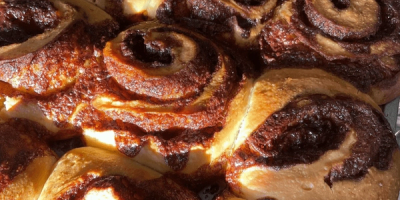
We can do the same thing with an enriched dough for cinnamon rolls, dinner rolls, sweet buns or pull aparts. Fillings, shaping and finishing give us even more room to create variety after the dough has been mixed. Thinking about which products naturally work well together helps us design a base dough that can move easily through several products from the beginning.
This is already how I approach a lot of my own production. I can mix one larger batch of dough and portion it into the different shapes and types of bread I'm making, then shape and finish those portions according to what I've sold. A seasonal base dough lets me use that same system while giving the menu something completely new.
Giving flavors their own moment also gives customers a reason to buy while those flavors are available. If the pumpkin cinnamon rolls are only here for October, October eventually ends and so do the pumpkin cinnamon rolls. The season creates its own natural deadline, and customers know they have a limited window to enjoy the things they wait all year for.
As the flavors change throughout the season, customers have something new to look forward to, and we still get to play with everything we love about fall without trying to produce all of it at once. We can make all the things. We just get to give them their moment.
Make Sure It's Worth It
After all of this, I think the most important thing is to make sure whatever we decide to do with our fall menu is actually worth it for our bakery. If I'm adding an expensive inclusion, I want to know that I can charge enough for the finished product to make that expense worthwhile. If I'm adding another product, I want it to give me another opportunity to sell without creating so much additional production that I regret putting it on the menu. If I can take a base dough and flavor profile I'm already making and use it across several products, I've created another opportunity to sell with very little additional work or cost added to my bake day.
I can also put those limited seasonal items front and center in my Simply Bread App storefront while they're having their moment. Someone might come shopping for a regular loaf and see the seasonal mini loaf, focaccia or bread bowl while they're there. Now I've created another sale I might not have had from a dough I was already making.
I also think it's worth remembering how much fall gives us before we spend anything trying to create it. That feeling we started with, when the air changes and suddenly we're thinking about soup on the stove and bread in the oven, is already there. Our customers have their own version of it. They have foods they wait all year for, smells that remind them of home and traditions they look forward to when the weather starts changing. We get to bake into a season people are already excited about.
If we can use that excitement to create something that feels special to our customers without spending a fortune or making our bake days harder than they need to be, then the seasonal special is actually worth selling.
Related stories




2 minutes
News
Ensuring Safety and Quality: Simply Bread Ovens now shipping with NSF Certification
Simply Bread Co.


9
Baker tips
Branding Your Cottage Baking Business

5 minutes
Stories
Simply Bread Oven – Compact Commercial Grade Oven for Small Food Businesses
Liana Gailand